How VLF Testing Detects Early Cable Aging
Introduction
VLF testing is a crucial method for identifying early cable aging. This testing technique helps in maintaining the integrity of electrical cables and prevents potential failures. It is especially important for high voltage cables that are often exposed to harsh environments. Detecting problems early reduces repair costs and downtime. Understanding how VLF testing works can provide valuable insights into managing cable health, ensuring a reliable power supply, and extending the life of your electrical systems.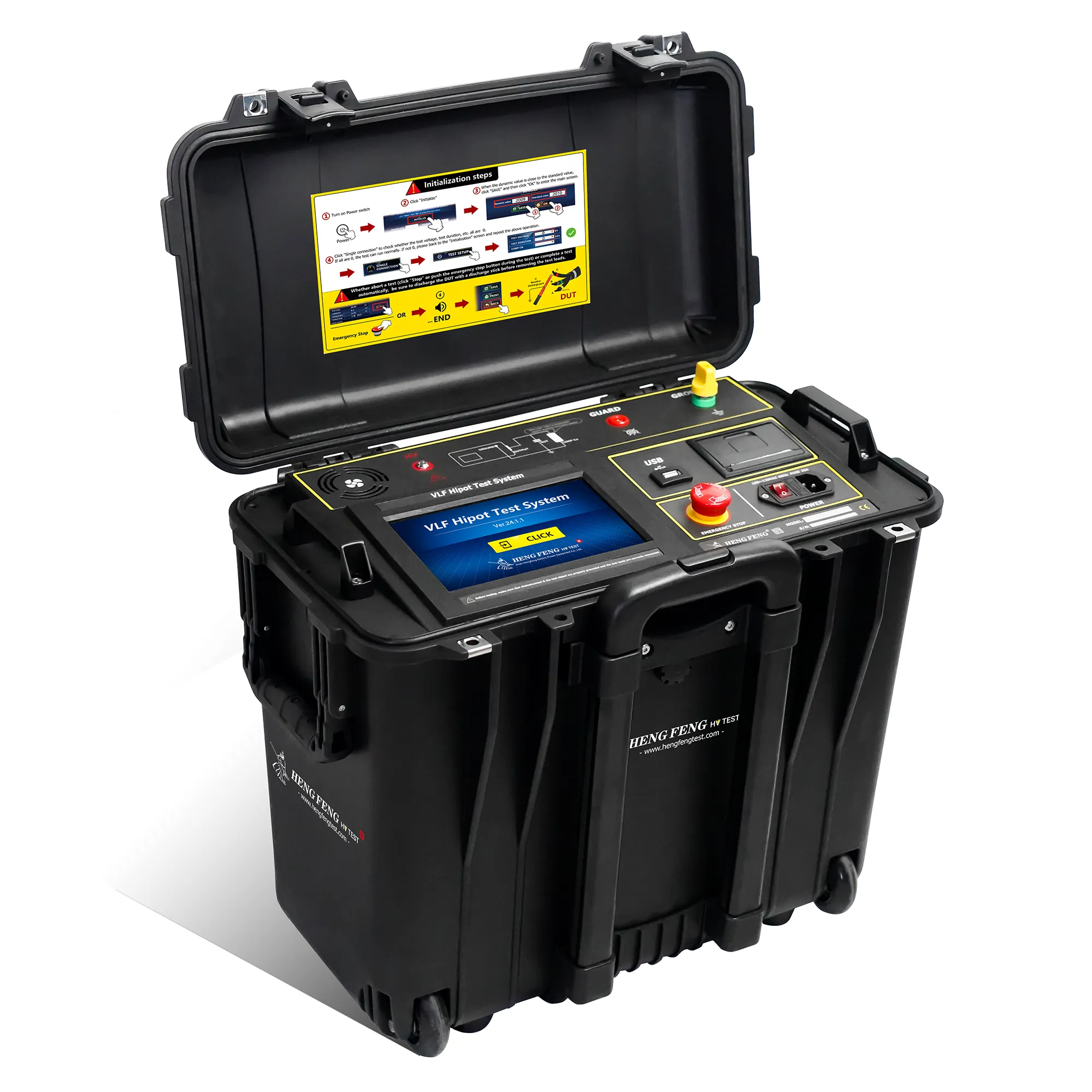
Summary Answer
VLF testing detects early cable aging by applying a very low frequency voltage stress to cables. This process helps identify insulation weaknesses before they lead to cable failure.
1. Importance of VLF Testing
Understanding the importance of VLF testing helps prevent unexpected failures. Here are some key points about its significance:
1.1 Early Detection of Faults
VLF testing can pinpoint insulation breakdown quickly. Early detection avoids catastrophic failures.
1.2 Cost-Effective Solution
Regular VLF testing can save money over time. Avoiding major repairs is much cheaper than fixing sudden failures.
1.3 Extended Cable Life
By identifying potential issues, VLF testing extends the life of cables. Healthy cables perform better and last longer.
2. How VLF Testing Works
Understanding how VLF testing is performed is crucial for maintenance. The following steps outline the process:
2.1 Equipment Setup
Specialized VLF testers are used to apply voltage. Technicians connect the tester to the cable before starting.
2.2 Voltage Application
The tester applies voltage at a low frequency. This voltage stresses the insulation and identifies weaknesses.
2.3 Testing Duration
Tests generally last between 15 to 60 minutes, depending on the cable's size and condition. Observations are made during this time.
2.4 Analyzing Results
After testing, the data is analyzed to identify any faults. Detailed reports are created for further decision-making.
3. Benefits of Conducting Regular VLF Tests
Performing regular VLF tests comes with multiple benefits:
3.1 Improved Reliability
Regular tests enhance the reliability of electrical systems. Users can trust their cables to perform consistently.
3.2 Safety Assurance
Identifying flaws before they worsen ensures safety. This helps in avoiding accidents caused by cable failures.
3.3 Compliance with Regulations
Cable testing often complies with regulatory standards. Performing VLF tests ensures that organizations meet safety guidelines.
Comparison of VLF Testing with Other Testing Methods
| Testing Method | Cost | Detection Speed | Risk of Cable Damage |
|---|---|---|---|
| VLF Testing | Medium | Fast | Low |
| DC Testing | Low | Slow | Medium |
| AC Testing | High | Medium | High |
Conclusion
In conclusion, VLF testing is a vital method for detecting early cable aging. It helps identify insulation issues, promotes safety, and extends the life of electrical cables. Implementing regular VLF tests aids in maintaining a reliable power supply. Investing in VLF testing not only protects your assets but also ensures compliance with industry standards. For effective cable management and longevity, embrace the benefits of VLF testing.


评论
发表评论